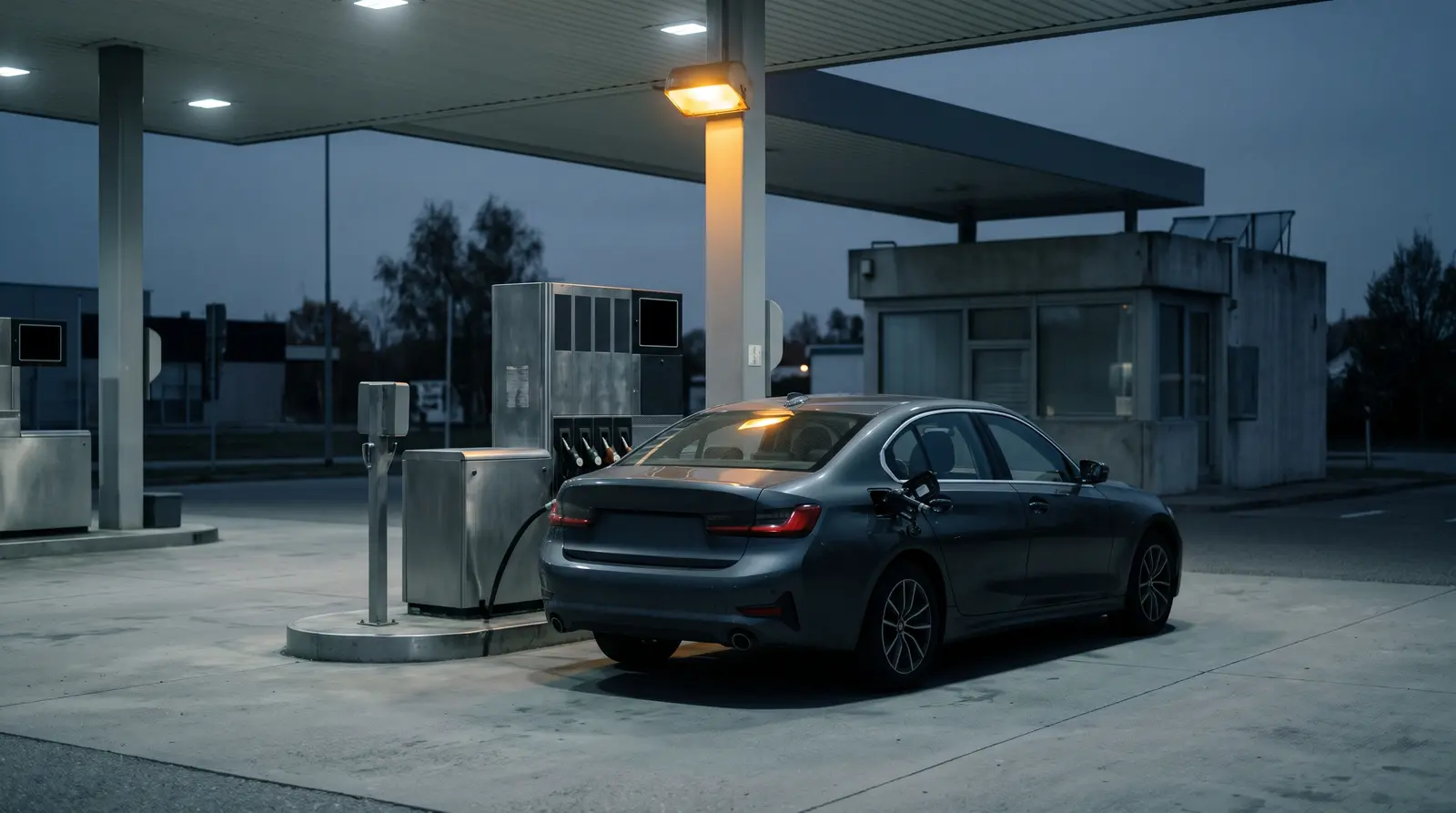



Price chauffeur work from what an hour and a kilometre cost you, including the empty return leg and waiting. Use a flat price per route for airport transfers, an hourly rate with a minimum for open-ended work and a day rate for tours and golf. Add a minimum fare, waiting time, vehicle classes, supplements and a no-show rule. At Irish Transfer an average touring day earned 840 euros in 2026 against 417 euros for an airport transfer, and the mix lifted the average booking by 44 percent.
What does an hour and a kilometre cost you?
Before any price, work out what running a car costs: fuel, the driver's time including waiting, insurance, the car itself spread over the kilometres it does in a year, maintenance and tyres, tolls and parking, and the time spent without passengers, such as the drive back from an airport drop-off. Divide the yearly total by the hours the car is actually working and by the kilometres it actually covers, and you have two numbers that every price has to clear.
Most owners who do this for the first time find the hourly figure higher than they expected, because the empty return leg and the waiting at arrivals were never counted. The free chauffeur rate calculator on 4fleet.io turns running costs and a target margin into a per-kilometre rate, an hourly rate and a minimum fare for each vehicle class; use it once a year and after every insurance renewal.
Should you price per route, per hour or per day?
All three, each for the work it fits:
- A flat price per route for the trips travellers compare, such as airport transfers. The traveller sees one number, and you build in the drive back and a margin for traffic.
- An hourly rate for open-ended work such as meetings, events or a city day with stops. Set a minimum number of hours so a short job still covers the time the car is tied up.
- A day rate for touring days and golf days, where the customer has the car and the driver for the whole day. Price the day, not the kilometres.
Keep the three on one rate card per vehicle class, so a quote is a lookup rather than a calculation. That is what lets a quote go out in minutes, which the speed to lead guide shows is worth more than any single price.
Why does the day rate matter so much?
A touring day ties up one car and one driver from morning to evening, so pricing it as a day rather than as a distance is what makes it pay. At Irish Transfer, an average touring day in 2026 earned 840 euros against 417 euros for an average airport transfer, both from 4fleet bookings. Tours and golf went from about one in four euros of booking revenue to about one in two in a year, and that shift, more than any price rise on the airport routes, is what lifted the average booking by 44 percent.
The booking value calculator shows what a higher average booking is worth across a year with the same number of bookings.
Which rules stop a job losing money?
- A minimum fare for short trips, so a ten-minute run still covers the call-out.
- Waiting time after a set free period, charged in clear steps, and written into the quote so nobody argues at the kerb.
- A return trip quoted with the outbound one, priced for the round trip.
- A price for each vehicle class, so a larger van or a premium car is not sold at the saloon rate.
- Night and early-morning supplements, if those hours cost you more in driver pay.
- A cancellation and no-show rule that lets you charge for a car that went out; the no-show policy guide covers what to write.
- Child seats, extra stops and meet-and-greet as priced extras, so they are never given away by default.
How do partner prices fit in?
Hotels, agents and tour operators either take a commission on your public price or buy at a net rate and sell at their own. Both come out of the margin above your cost, so the cost numbers from the first section decide how much room there is. The net rates guide covers how to set each, and the rule that a partner should never see its traveller offered the same trip cheaper on your website or an OTA.
How do you check prices against the enquiries you win?
After any change, watch the share of enquiries you win on each route and service. Irish Transfer won 24 percent of its enquiries in August 2026; a route that falls well below your own average is either priced wrong or quoted too slowly, and the quote time is the first thing to check because it is the cheaper one to fix. Mark every lost quote with the reason when you know it, and read the reasons once a month before touching prices. When the time comes to change them, the raise prices guide covers how to do it without losing the regulars.
Questions owners ask
How should a chauffeur company price an airport transfer?
As a flat price per route that covers the drive back, waiting at arrivals and a margin for traffic, set per vehicle class. Travellers compare that one number across companies.
What is a fair hourly rate for a chauffeur?
One that clears what an hour of the car and driver costs you, including the time without passengers, plus your margin. Set a minimum number of hours so a short job still covers the time the car is tied up.
Why price a tour as a day rather than by distance?
A touring day ties up one car and one driver from morning to evening. At Irish Transfer an average touring day earned 840 euros in 2026 against 417 euros for an airport transfer.
Which extras should be priced rather than included?
Waiting time after a free period, extra stops, child seats, meet-and-greet, night and early-morning supplements, and a no-show charge. Written into the quote, they stop arguments at the kerb.
How do you know a price is too high?
Watch the share of enquiries you win per route and the reasons on lost quotes. Check quote speed first, because a slow quote loses more bookings than a slightly high price.